
Building the Genomic Infrastructure for Africa’s Future Health
Africa carries the greatest genetic diversity on Earth. Less than 2% of the world’s sequenced genomes represent it. We are building the infrastructure that closes that gap.

Every drug dosage guideline, genetic risk score and diagnostic tool is only as good as the data behind it.
Yet African populations remain profoundly underrepresented in the genomic datasets that underpin modern medicine.
For 1.5 billion people across Africa and the global African diaspora, this means precision medicine is often built without the diversity it needs to be precise for them.
Afromics exists to build that data and the infrastructure, governance, and interpretation capability required to make it useful, not just collected.
Five million genomes. Fifty-four countries. A ten-year roadmap.
Afromics is building the world’s most representative African genomic resource: integrating genomic, clinical, demographic, and phenotypic data into a single, African-governed infrastructure.
Africa’s most prevalent genetic disorder and our founding proof point.
Sickle cell disease affects an estimated 7.74 million people worldwide, 80% of them of African ancestry, yet it receives roughly a quarter of the per-patient research investment of comparable genetic conditions. That gap is not a scientific failure. It is a data and infrastructure failure, and it is exactly what Afromics was built to close.
The SCD Signature Programme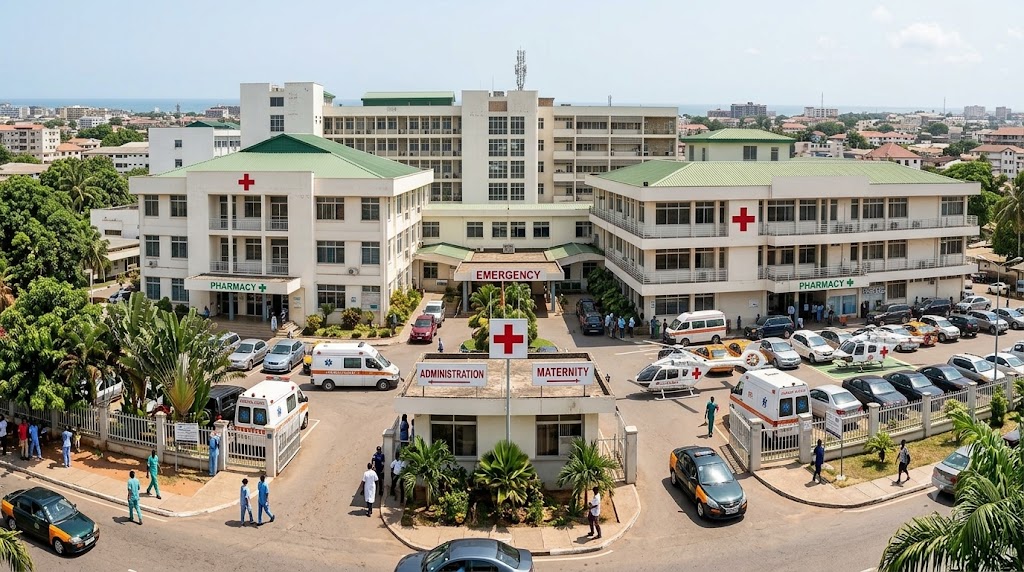
The history of genomic research in Africa is, too often, a history of extraction: samples taken, data analysed elsewhere, value captured elsewhere, and communities left with nothing but the memory of having been studied. Afromics is built, deliberately, to be the opposite of that history.
- Every participant receives a personal pharmacogenomic report, delivering immediate clinical value, not a future promise.
- All African data is stored and processed within the continent, governed by an Ethics Advisory Board structurally independent from our commercial decisions.
- We will decline capital or partnerships that require compromising that independence. This is a constraint we have built into our governance, not a preference we hope to honour.
By 2040, African genomic data will no longer be the exception in precision medicine. It will be the standard.
A future where every drug is developed with African pharmacogenomic data built in from the start, every diagnostic threshold is validated against African genetic diversity rather than assumed to translate from elsewhere, and every African health system has access to the same precision-medicine tools available anywhere in the world. That infrastructure will have been built here from the beginning for African priorities.